







HumanoidInsight
  • Home
  • Spotlight
    Why Are Robotics Companies Waging an All-Out Talent War Against Big Tech and Academia?

    Why Are Robotics Companies Waging an All-Out Talent War Against Big Tech and Academia?

    Can Humanoid Robots Truly Be Artists, Musicians, or Chefs, or Is Creativity Uniquely Human?

    Can Humanoid Robots Truly Be Artists, Musicians, or Chefs, or Is Creativity Uniquely Human?

    The “Spinal Cord” Chip: Neuromorphic Processors for Low-Power, Reflex-Level Control

    The “Spinal Cord” Chip: Neuromorphic Processors for Low-Power, Reflex-Level Control

    Startup Spotlight: Apptronik – Betting on a General-Purpose Upper Body for Multiple Applications

    Startup Spotlight: Apptronik – Betting on a General-Purpose Upper Body for Multiple Applications

    How Is a Neuroscientist Using Brain Science to Transform Robot Motor Control and Enable Fluid, Adaptive Movements?

    How Is a Neuroscientist Using Brain Science to Transform Robot Motor Control and Enable Fluid, Adaptive Movements?

    Interview: Boston Dynamics’ CEO on the Commercialization of Atlas and the Future of Parkour

    Interview: Boston Dynamics’ CEO on the Commercialization of Atlas and the Future of Parkour

  • Future Scenarios
    Why Are Humanoid Robots Becoming the Essential Workforce for Building Off-World Habitats?

    Why Are Humanoid Robots Becoming the Essential Workforce for Building Off-World Habitats?

    The Demographics Solution: Can Humanoids Solve the Crisis of Aging Populations?

    The Demographics Solution: Can Humanoids Solve the Crisis of Aging Populations?

    Is Universal Basic Income the Inevitable Solution to Widescale Robotic Automation?

    Is Universal Basic Income the Inevitable Solution to Widescale Robotic Automation?

    Analysis: Why Did Hyundai Double Down on Boston Dynamics? A Strategic Look Beyond Spot and Atlas

    Analysis: Why Did Hyundai Double Down on Boston Dynamics? A Strategic Look Beyond Spot and Atlas

    The Psychological Uncanny Valley: How Lifelike Robots Could Trigger Social Anxiety and Identity Crises

    The Psychological Uncanny Valley: How Lifelike Robots Could Trigger Social Anxiety and Identity Crises

    Who Should Be Held Responsible When a Humanoid Robot Causes Harm?

    Who Should Be Held Responsible When a Humanoid Robot Causes Harm?

  • Industry Pulse
    Title: Major Stumble: What the Failure of a High-Profile Humanoid Startup Teaches the Industry

    Title: Major Stumble: What the Failure of a High-Profile Humanoid Startup Teaches the Industry

    Why Are Robotics Companies Waging an All-Out Talent War Against Big Tech and Academia?

    Why Are Robotics Companies Waging an All-Out Talent War Against Big Tech and Academia?

    Will the “Robotics as a Service” Model Become the Dominant Path for Humanoid Deployment?

    Will the “Robotics as a Service” Model Become the Dominant Path for Humanoid Deployment?

    The Demographics Solution: Can Humanoids Solve the Crisis of Aging Populations?

    The Demographics Solution: Can Humanoids Solve the Crisis of Aging Populations?

    Analysis: Why Did Hyundai Double Down on Boston Dynamics? A Strategic Look Beyond Spot and Atlas

    Analysis: Why Did Hyundai Double Down on Boston Dynamics? A Strategic Look Beyond Spot and Atlas

    Who Should Be Held Responsible When a Humanoid Robot Causes Harm?

    Who Should Be Held Responsible When a Humanoid Robot Causes Harm?

  • Insight Reports
    Title: Major Stumble: What the Failure of a High-Profile Humanoid Startup Teaches the Industry

    Title: Major Stumble: What the Failure of a High-Profile Humanoid Startup Teaches the Industry

    Will the “Robotics as a Service” Model Become the Dominant Path for Humanoid Deployment?

    Will the “Robotics as a Service” Model Become the Dominant Path for Humanoid Deployment?

    Is Universal Basic Income the Inevitable Solution to Widescale Robotic Automation?

    Is Universal Basic Income the Inevitable Solution to Widescale Robotic Automation?

    The Psychological Uncanny Valley: How Lifelike Robots Could Trigger Social Anxiety and Identity Crises

    The Psychological Uncanny Valley: How Lifelike Robots Could Trigger Social Anxiety and Identity Crises

    The Environmental Payback: Modeling the Carbon Footprint Reduction of a Robot-Led Workforce

    The Environmental Payback: Modeling the Carbon Footprint Reduction of a Robot-Led Workforce

    How Are Photorealistic Simulation and Domain Randomization Closing the Gap Between Virtual and Real-World Humanoid Robotics?

    How Are Photorealistic Simulation and Domain Randomization Closing the Gap Between Virtual and Real-World Humanoid Robotics?

  • Tech Frontiers
    Why Are Humanoid Robots Becoming the Essential Workforce for Building Off-World Habitats?

    Why Are Humanoid Robots Becoming the Essential Workforce for Building Off-World Habitats?

    The End of the Frontline? Reimagining Military Strategy in an Era of Robot Soldiers

    The End of the Frontline? Reimagining Military Strategy in an Era of Robot Soldiers

    How Are Photorealistic Simulation and Domain Randomization Closing the Gap Between Virtual and Real-World Humanoid Robotics?

    How Are Photorealistic Simulation and Domain Randomization Closing the Gap Between Virtual and Real-World Humanoid Robotics?

    The “Spinal Cord” Chip: Neuromorphic Processors for Low-Power, Reflex-Level Control

    The “Spinal Cord” Chip: Neuromorphic Processors for Low-Power, Reflex-Level Control

    Are Fuel Cells the Future of Untethered, All-Day Humanoid Robot Operation, or Will Batteries Remain King?

    Are Fuel Cells the Future of Untethered, All-Day Humanoid Robot Operation, or Will Batteries Remain King?

    Beyond Reinforcement Learning: The Rise of Large Behavior Models (LBMs) for Robot Training

    Beyond Reinforcement Learning: The Rise of Large Behavior Models (LBMs) for Robot Training

HumanoidInsight
  • Home
  • Spotlight
    Why Are Robotics Companies Waging an All-Out Talent War Against Big Tech and Academia?

    Why Are Robotics Companies Waging an All-Out Talent War Against Big Tech and Academia?

    Can Humanoid Robots Truly Be Artists, Musicians, or Chefs, or Is Creativity Uniquely Human?

    Can Humanoid Robots Truly Be Artists, Musicians, or Chefs, or Is Creativity Uniquely Human?

    The “Spinal Cord” Chip: Neuromorphic Processors for Low-Power, Reflex-Level Control

    The “Spinal Cord” Chip: Neuromorphic Processors for Low-Power, Reflex-Level Control

    Startup Spotlight: Apptronik – Betting on a General-Purpose Upper Body for Multiple Applications

    Startup Spotlight: Apptronik – Betting on a General-Purpose Upper Body for Multiple Applications

    How Is a Neuroscientist Using Brain Science to Transform Robot Motor Control and Enable Fluid, Adaptive Movements?

    How Is a Neuroscientist Using Brain Science to Transform Robot Motor Control and Enable Fluid, Adaptive Movements?

    Interview: Boston Dynamics’ CEO on the Commercialization of Atlas and the Future of Parkour

    Interview: Boston Dynamics’ CEO on the Commercialization of Atlas and the Future of Parkour

  • Future Scenarios
    Why Are Humanoid Robots Becoming the Essential Workforce for Building Off-World Habitats?

    Why Are Humanoid Robots Becoming the Essential Workforce for Building Off-World Habitats?

    The Demographics Solution: Can Humanoids Solve the Crisis of Aging Populations?

    The Demographics Solution: Can Humanoids Solve the Crisis of Aging Populations?

    Is Universal Basic Income the Inevitable Solution to Widescale Robotic Automation?

    Is Universal Basic Income the Inevitable Solution to Widescale Robotic Automation?

    Analysis: Why Did Hyundai Double Down on Boston Dynamics? A Strategic Look Beyond Spot and Atlas

    Analysis: Why Did Hyundai Double Down on Boston Dynamics? A Strategic Look Beyond Spot and Atlas

    The Psychological Uncanny Valley: How Lifelike Robots Could Trigger Social Anxiety and Identity Crises

    The Psychological Uncanny Valley: How Lifelike Robots Could Trigger Social Anxiety and Identity Crises

    Who Should Be Held Responsible When a Humanoid Robot Causes Harm?

    Who Should Be Held Responsible When a Humanoid Robot Causes Harm?

  • Industry Pulse
    Title: Major Stumble: What the Failure of a High-Profile Humanoid Startup Teaches the Industry

    Title: Major Stumble: What the Failure of a High-Profile Humanoid Startup Teaches the Industry

    Why Are Robotics Companies Waging an All-Out Talent War Against Big Tech and Academia?

    Why Are Robotics Companies Waging an All-Out Talent War Against Big Tech and Academia?

    Will the “Robotics as a Service” Model Become the Dominant Path for Humanoid Deployment?

    Will the “Robotics as a Service” Model Become the Dominant Path for Humanoid Deployment?

    The Demographics Solution: Can Humanoids Solve the Crisis of Aging Populations?

    The Demographics Solution: Can Humanoids Solve the Crisis of Aging Populations?

    Analysis: Why Did Hyundai Double Down on Boston Dynamics? A Strategic Look Beyond Spot and Atlas

    Analysis: Why Did Hyundai Double Down on Boston Dynamics? A Strategic Look Beyond Spot and Atlas

    Who Should Be Held Responsible When a Humanoid Robot Causes Harm?

    Who Should Be Held Responsible When a Humanoid Robot Causes Harm?

  • Insight Reports
    Title: Major Stumble: What the Failure of a High-Profile Humanoid Startup Teaches the Industry

    Title: Major Stumble: What the Failure of a High-Profile Humanoid Startup Teaches the Industry

    Will the “Robotics as a Service” Model Become the Dominant Path for Humanoid Deployment?

    Will the “Robotics as a Service” Model Become the Dominant Path for Humanoid Deployment?

    Is Universal Basic Income the Inevitable Solution to Widescale Robotic Automation?

    Is Universal Basic Income the Inevitable Solution to Widescale Robotic Automation?

    The Psychological Uncanny Valley: How Lifelike Robots Could Trigger Social Anxiety and Identity Crises

    The Psychological Uncanny Valley: How Lifelike Robots Could Trigger Social Anxiety and Identity Crises

    The Environmental Payback: Modeling the Carbon Footprint Reduction of a Robot-Led Workforce

    The Environmental Payback: Modeling the Carbon Footprint Reduction of a Robot-Led Workforce

    How Are Photorealistic Simulation and Domain Randomization Closing the Gap Between Virtual and Real-World Humanoid Robotics?

    How Are Photorealistic Simulation and Domain Randomization Closing the Gap Between Virtual and Real-World Humanoid Robotics?

  • Tech Frontiers
    Why Are Humanoid Robots Becoming the Essential Workforce for Building Off-World Habitats?

    Why Are Humanoid Robots Becoming the Essential Workforce for Building Off-World Habitats?

    The End of the Frontline? Reimagining Military Strategy in an Era of Robot Soldiers

    The End of the Frontline? Reimagining Military Strategy in an Era of Robot Soldiers

    How Are Photorealistic Simulation and Domain Randomization Closing the Gap Between Virtual and Real-World Humanoid Robotics?

    How Are Photorealistic Simulation and Domain Randomization Closing the Gap Between Virtual and Real-World Humanoid Robotics?

    The “Spinal Cord” Chip: Neuromorphic Processors for Low-Power, Reflex-Level Control

    The “Spinal Cord” Chip: Neuromorphic Processors for Low-Power, Reflex-Level Control

    Are Fuel Cells the Future of Untethered, All-Day Humanoid Robot Operation, or Will Batteries Remain King?

    Are Fuel Cells the Future of Untethered, All-Day Humanoid Robot Operation, or Will Batteries Remain King?

    Beyond Reinforcement Learning: The Rise of Large Behavior Models (LBMs) for Robot Training

    Beyond Reinforcement Learning: The Rise of Large Behavior Models (LBMs) for Robot Training

HumanoidInsight
No Result
View All Result
Home Future Scenarios

How Will Humanoid Integration Affect Urban Planning?

October 31, 2025
in Future Scenarios, Industry Pulse
How Will Humanoid Integration Affect Urban Planning?

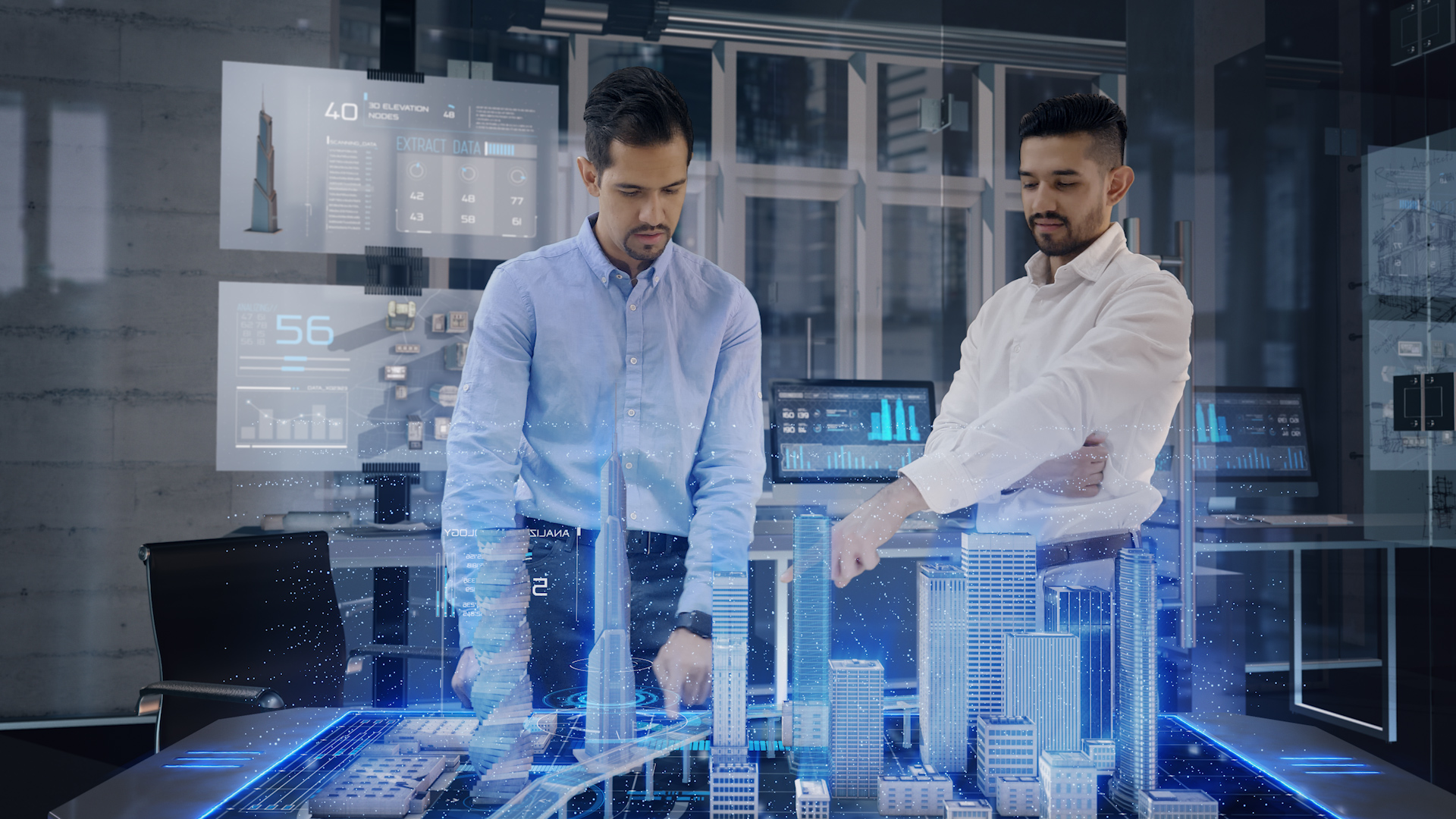
As humanoid robots move from research labs into the public realm, cities are on the brink of a profound transformation. Urban planning — traditionally shaped around human mobility, safety, and social behavior — must now account for a new kind of resident: the humanoid. These robots, designed to mimic human form and function, are beginning to influence how buildings are designed, how traffic flows, how workplaces operate, and how communities evolve. The integration of humanoids into smart cities will not merely optimize efficiency; it will redefine coexistence between humans and machines in the physical world.


Smart City Infrastructure and Mobility

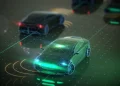
Urban mobility has long been the backbone of city design, and the introduction of humanoid robots adds a new dimension to that ecosystem. In the coming decades, cities won’t just accommodate humans, vehicles, and bicycles — they’ll also need to integrate robotic pedestrians, delivery humanoids, and maintenance automatons capable of independent navigation.

Current smart city frameworks already use IoT systems to regulate traffic lights, waste management, and energy flow. With humanoid integration, these systems will evolve into dynamic, responsive networks that communicate directly with autonomous agents. A humanoid robot, for example, might receive real-time updates from urban infrastructure — avoiding congested pedestrian zones, rerouting through adaptive pathways, or even synchronizing with public transportation systems to assist commuters.

One of the key challenges will be spatial equity — ensuring that humanoid movement doesn’t impede human activity. Sidewalk width, crossing time, and sensor visibility may all need recalibration to allow seamless human-robot coexistence. Planners will need to consider designated “robotic lanes” or low-traffic corridors where service humanoids can operate without disrupting pedestrian flow.

In advanced prototypes of smart districts — such as Singapore’s Punggol Digital District or Seoul’s Songdo — experimental humanoids are already being tested for security, cleaning, and delivery services. These pilot programs are quietly redefining what public mobility looks like when nonhuman entities become active participants in civic life.


Workplace Robotics Logistics

The next frontier of humanoid integration lies within commercial and office environments. As humanoids become more capable of manual dexterity and cognitive coordination, workplaces will evolve into hybrid ecosystems where human and robotic employees operate side by side.

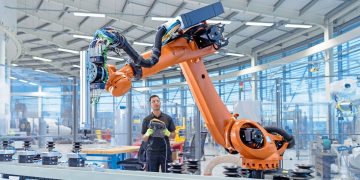
Factories, logistics centers, and hospitals already employ semi-humanoid systems for repetitive or hazardous tasks. The next stage — full humanoid integration — will require architectural and spatial redesigns to optimize workflow between biological and mechanical actors.

For example, corridors, storage spaces, and elevators may need reconfiguration to support robotic navigation standards, with embedded charging points and cloud-synced coordination systems. Buildings might feature AI docking zones, where humanoids upload performance data, receive maintenance, or undergo software updates.

Corporate real estate developers are beginning to plan for this shift. A growing number of architectural firms — such as Gensler and Foster + Partners — have started consulting on robot-friendly environments, ensuring that office layouts accommodate both humans and autonomous machines.

In logistics and warehousing, humanoids could bridge the current gap between stationary automation and mobile human labor. Instead of building vast robotic-only fulfillment centers, companies may retrofit existing spaces for mixed interaction, enabling humanoids to work fluidly alongside humans in real-world conditions.

This hybridization of workspace architecture could spark an entirely new discipline within urban design: robotic ergonomics — the science of optimizing the built environment for both human and machine performance.


Industry Input into Architecture Design

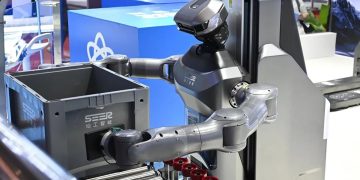
As humanoids gain a more visible presence, industry partnerships between robotics companies and urban planners are intensifying. Manufacturers like Boston Dynamics, Apptronik, and Agility Robotics are beginning to collaborate directly with architects to shape the future of robotic-friendly environments.

These collaborations go beyond simple infrastructure adaptation. They are helping define the grammar of robotic urbanism — a new design language that accounts for sensor fields, vision systems, and physical interaction thresholds.

For instance, humanoids rely on line-of-sight navigation, so future buildings may feature transparent materials or low-reflectivity surfaces to prevent AI confusion. Entrances could include automated handshake systems for identity authentication, while shared spaces might use ambient lighting optimized for machine vision and human comfort alike.

Urban robotics labs at MIT, ETH Zurich, and Tsinghua University are already exploring architectural symbiosis between human ergonomics and robotic efficiency. In these studies, humanoids not only adapt to human environments — they help reshape them. By analyzing motion data, energy use, and spatial flow, humanoids can recommend architectural improvements, making buildings smarter and more sustainable.

This emerging partnership between robotics and architecture signals a future where robots are not guests in the city, but co-authors of its design.

Safety and Human Flow Adaptation

Safety remains one of the most complex aspects of humanoid integration. As humanoids share sidewalks, corridors, and workplaces with humans, cities must establish new interaction protocols that minimize risk and anxiety.

From a behavioral perspective, humans instinctively anthropomorphize machines, which can lead to unpredictable reactions — curiosity, fear, or even aggression. Urban planning must therefore incorporate psychological zoning, ensuring that humanoids are introduced gradually into public life through supervised environments such as malls, transport hubs, or hospitals before entering broader urban circulation.

Physical safety is equally critical. Regulations will need to address robot speed limits, fall prevention systems, collision avoidance algorithms, and liability in case of accidents. Municipal robotics authorities may emerge — similar to today’s traffic control boards — tasked with certifying humanoids for public operation.

To ensure smooth human flow, smart cities will likely employ predictive crowd analytics, powered by AI, to manage human-robot interactions in real time. Cameras and sensors could monitor density patterns, signaling humanoids to adjust routes or slow down when human activity peaks.

There’s also a subtler form of safety: emotional comfort. Humanoid design will need to strike a balance between familiarity and uncanny realism to avoid unsettling citizens. In architecture and public space design, this translates into interaction buffers — zones that allow humans to observe humanoids at a comfortable distance before engaging directly.

By blending behavioral psychology with environmental design, urban planners can create coexistence-ready cities, where trust, safety, and curiosity harmoniously coexist.


Vision: Cities Designed for Coexistence

The long-term vision of humanoid integration is not just about automation — it’s about reimagining coexistence. By 2050, when humanoid density in megacities could rival that of service animals or personal drones today, the line between “human-centric” and “robot-inclusive” design will blur.

Cities will evolve into multi-agent ecosystems, where buildings, vehicles, and humanoids communicate continuously. Imagine a scenario in which humanoid assistants help guide the visually impaired across busy intersections, coordinate with drones for parcel delivery, or provide public information in multilingual formats on demand.

Architecturally, this vision points to adaptive environments — spaces that sense who or what is present and dynamically adjust lighting, signage, and temperature accordingly. Parks may include charging stations disguised as benches; pedestrian zones might host shared human-robot social hubs; and urban housing could incorporate robotic caretakers into standard smart home infrastructure.

The result would be a city where mobility, sustainability, and empathy intersect — a human-machine partnership woven into the fabric of daily life. Instead of robots being confined to factories, they will inhabit plazas, hospitals, schools, and homes — acting as both helpers and collaborators in the ongoing project of civilization.

The true success of humanoid integration will not be measured in the number of robots per capita, but in how seamlessly they blend into our collective rhythm — enhancing accessibility, efficiency, and humanity’s sense of shared progress.

In this future, urban planning becomes not just about where people live, but how intelligence — human and artificial — coexists within the same spatial narrative. The city of tomorrow will no longer be designed solely for human comfort, but for a new species of partnership — one that blurs the boundary between citizen and machine.

Tags: humanoid robotsrobotics integrationsmart citiesurban design
ShareTweetShare

Related Posts

Title: Major Stumble: What the Failure of a High-Profile Humanoid Startup Teaches the Industry
Industry Pulse

Title: Major Stumble: What the Failure of a High-Profile Humanoid Startup Teaches the Industry

December 15, 2025
Why Are Robotics Companies Waging an All-Out Talent War Against Big Tech and Academia?
Industry Pulse

Why Are Robotics Companies Waging an All-Out Talent War Against Big Tech and Academia?

December 15, 2025
Will the “Robotics as a Service” Model Become the Dominant Path for Humanoid Deployment?
Industry Pulse

Will the “Robotics as a Service” Model Become the Dominant Path for Humanoid Deployment?

December 14, 2025
Why Are Humanoid Robots Becoming the Essential Workforce for Building Off-World Habitats?
Future Scenarios

Why Are Humanoid Robots Becoming the Essential Workforce for Building Off-World Habitats?

December 14, 2025
The Demographics Solution: Can Humanoids Solve the Crisis of Aging Populations?
Future Scenarios

The Demographics Solution: Can Humanoids Solve the Crisis of Aging Populations?

December 14, 2025
Is Universal Basic Income the Inevitable Solution to Widescale Robotic Automation?
Future Scenarios

Is Universal Basic Income the Inevitable Solution to Widescale Robotic Automation?

December 13, 2025
Leave Comment
  • Trending
  • Comments
  • Latest
Will Humanoid Robots Become Legal Citizens by 2050? Exploring Rights, Responsibilities, and the Future of Robotic Personhood

Will Humanoid Robots Become Legal Citizens by 2050? Exploring Rights, Responsibilities, and the Future of Robotic Personhood

October 13, 2025
Will Humans and Robots Coexist Seamlessly in 2040’s Smart Cities? Exploring the Rise of Symbiotic Urban Ecosystems

Will Humans and Robots Coexist Seamlessly in 2040’s Smart Cities? Exploring the Rise of Symbiotic Urban Ecosystems

October 13, 2025
Analysis: Why Did Hyundai Double Down on Boston Dynamics? A Strategic Look Beyond Spot and Atlas

Analysis: Why Did Hyundai Double Down on Boston Dynamics? A Strategic Look Beyond Spot and Atlas

December 12, 2025
The End of the Frontline? Reimagining Military Strategy in an Era of Robot Soldiers

The End of the Frontline? Reimagining Military Strategy in an Era of Robot Soldiers

November 30, 2025
Will Humanoid Robots Become Legal Citizens by 2050? Exploring Rights, Responsibilities, and the Future of Robotic Personhood

Will Humanoid Robots Become Legal Citizens by 2050? Exploring Rights, Responsibilities, and the Future of Robotic Personhood

A World Where Robots Are Teachers: Educational Ecosystem with Humanoids

A World Where Robots Are Teachers: Educational Ecosystem with Humanoids

Can Humanoid Robots Redefine Disaster Response? Exploring the Future of Rescue Robotics in Extreme Environments

Can Humanoid Robots Redefine Disaster Response? Exploring the Future of Rescue Robotics in Extreme Environments

The Great Robot Economy: Humanoids as Workers in All Sectors

The Great Robot Economy: Humanoids as Workers in All Sectors

Title: Major Stumble: What the Failure of a High-Profile Humanoid Startup Teaches the Industry

Title: Major Stumble: What the Failure of a High-Profile Humanoid Startup Teaches the Industry

December 15, 2025
Why Are Robotics Companies Waging an All-Out Talent War Against Big Tech and Academia?

Why Are Robotics Companies Waging an All-Out Talent War Against Big Tech and Academia?

December 15, 2025
Will the “Robotics as a Service” Model Become the Dominant Path for Humanoid Deployment?

Will the “Robotics as a Service” Model Become the Dominant Path for Humanoid Deployment?

December 14, 2025
Why Are Humanoid Robots Becoming the Essential Workforce for Building Off-World Habitats?

Why Are Humanoid Robots Becoming the Essential Workforce for Building Off-World Habitats?

December 14, 2025
HumanoidInsight

We provide a clear lens on the rapidly evolving world of humanoid robots through news interpretation, trend observation, and data-driven reports. Join our community to stay authoritatively informed about the next wave of automation and intelligence.

© 2025 humanoidinsight.com. contacts:[email protected]

No Result
View All Result
  • Home
  • Spotlight
  • Future Scenarios
  • Industry Pulse
  • Insight Reports
  • Tech Frontiers

© 2025 humanoidinsight.com. contacts:[email protected]

Welcome Back!

Login to your account below

Forgotten Password?

Retrieve your password

Please enter your username or email address to reset your password.

Log In