











HumanoidInsight
  • Home
  • Spotlight
    Why Are Robotics Companies Waging an All-Out Talent War Against Big Tech and Academia?

    Why Are Robotics Companies Waging an All-Out Talent War Against Big Tech and Academia?

    Can Humanoid Robots Truly Be Artists, Musicians, or Chefs, or Is Creativity Uniquely Human?

    Can Humanoid Robots Truly Be Artists, Musicians, or Chefs, or Is Creativity Uniquely Human?

    The “Spinal Cord” Chip: Neuromorphic Processors for Low-Power, Reflex-Level Control

    The “Spinal Cord” Chip: Neuromorphic Processors for Low-Power, Reflex-Level Control

    Startup Spotlight: Apptronik – Betting on a General-Purpose Upper Body for Multiple Applications

    Startup Spotlight: Apptronik – Betting on a General-Purpose Upper Body for Multiple Applications

    How Is a Neuroscientist Using Brain Science to Transform Robot Motor Control and Enable Fluid, Adaptive Movements?

    How Is a Neuroscientist Using Brain Science to Transform Robot Motor Control and Enable Fluid, Adaptive Movements?

    Interview: Boston Dynamics’ CEO on the Commercialization of Atlas and the Future of Parkour

    Interview: Boston Dynamics’ CEO on the Commercialization of Atlas and the Future of Parkour

  • Future Scenarios
    Why Are Humanoid Robots Becoming the Essential Workforce for Building Off-World Habitats?

    Why Are Humanoid Robots Becoming the Essential Workforce for Building Off-World Habitats?

    The Demographics Solution: Can Humanoids Solve the Crisis of Aging Populations?

    The Demographics Solution: Can Humanoids Solve the Crisis of Aging Populations?

    Is Universal Basic Income the Inevitable Solution to Widescale Robotic Automation?

    Is Universal Basic Income the Inevitable Solution to Widescale Robotic Automation?

    Analysis: Why Did Hyundai Double Down on Boston Dynamics? A Strategic Look Beyond Spot and Atlas

    Analysis: Why Did Hyundai Double Down on Boston Dynamics? A Strategic Look Beyond Spot and Atlas

    The Psychological Uncanny Valley: How Lifelike Robots Could Trigger Social Anxiety and Identity Crises

    The Psychological Uncanny Valley: How Lifelike Robots Could Trigger Social Anxiety and Identity Crises

    Who Should Be Held Responsible When a Humanoid Robot Causes Harm?

    Who Should Be Held Responsible When a Humanoid Robot Causes Harm?

  • Industry Pulse
    Title: Major Stumble: What the Failure of a High-Profile Humanoid Startup Teaches the Industry

    Title: Major Stumble: What the Failure of a High-Profile Humanoid Startup Teaches the Industry

    Why Are Robotics Companies Waging an All-Out Talent War Against Big Tech and Academia?

    Why Are Robotics Companies Waging an All-Out Talent War Against Big Tech and Academia?

    Will the “Robotics as a Service” Model Become the Dominant Path for Humanoid Deployment?

    Will the “Robotics as a Service” Model Become the Dominant Path for Humanoid Deployment?

    The Demographics Solution: Can Humanoids Solve the Crisis of Aging Populations?

    The Demographics Solution: Can Humanoids Solve the Crisis of Aging Populations?

    Analysis: Why Did Hyundai Double Down on Boston Dynamics? A Strategic Look Beyond Spot and Atlas

    Analysis: Why Did Hyundai Double Down on Boston Dynamics? A Strategic Look Beyond Spot and Atlas

    Who Should Be Held Responsible When a Humanoid Robot Causes Harm?

    Who Should Be Held Responsible When a Humanoid Robot Causes Harm?

  • Insight Reports
    Title: Major Stumble: What the Failure of a High-Profile Humanoid Startup Teaches the Industry

    Title: Major Stumble: What the Failure of a High-Profile Humanoid Startup Teaches the Industry

    Will the “Robotics as a Service” Model Become the Dominant Path for Humanoid Deployment?

    Will the “Robotics as a Service” Model Become the Dominant Path for Humanoid Deployment?

    Is Universal Basic Income the Inevitable Solution to Widescale Robotic Automation?

    Is Universal Basic Income the Inevitable Solution to Widescale Robotic Automation?

    The Psychological Uncanny Valley: How Lifelike Robots Could Trigger Social Anxiety and Identity Crises

    The Psychological Uncanny Valley: How Lifelike Robots Could Trigger Social Anxiety and Identity Crises

    The Environmental Payback: Modeling the Carbon Footprint Reduction of a Robot-Led Workforce

    The Environmental Payback: Modeling the Carbon Footprint Reduction of a Robot-Led Workforce

    How Are Photorealistic Simulation and Domain Randomization Closing the Gap Between Virtual and Real-World Humanoid Robotics?

    How Are Photorealistic Simulation and Domain Randomization Closing the Gap Between Virtual and Real-World Humanoid Robotics?

  • Tech Frontiers
    Why Are Humanoid Robots Becoming the Essential Workforce for Building Off-World Habitats?

    Why Are Humanoid Robots Becoming the Essential Workforce for Building Off-World Habitats?

    The End of the Frontline? Reimagining Military Strategy in an Era of Robot Soldiers

    The End of the Frontline? Reimagining Military Strategy in an Era of Robot Soldiers

    How Are Photorealistic Simulation and Domain Randomization Closing the Gap Between Virtual and Real-World Humanoid Robotics?

    How Are Photorealistic Simulation and Domain Randomization Closing the Gap Between Virtual and Real-World Humanoid Robotics?

    The “Spinal Cord” Chip: Neuromorphic Processors for Low-Power, Reflex-Level Control

    The “Spinal Cord” Chip: Neuromorphic Processors for Low-Power, Reflex-Level Control

    Are Fuel Cells the Future of Untethered, All-Day Humanoid Robot Operation, or Will Batteries Remain King?

    Are Fuel Cells the Future of Untethered, All-Day Humanoid Robot Operation, or Will Batteries Remain King?

    Beyond Reinforcement Learning: The Rise of Large Behavior Models (LBMs) for Robot Training

    Beyond Reinforcement Learning: The Rise of Large Behavior Models (LBMs) for Robot Training

HumanoidInsight
  • Home
  • Spotlight
    Why Are Robotics Companies Waging an All-Out Talent War Against Big Tech and Academia?

    Why Are Robotics Companies Waging an All-Out Talent War Against Big Tech and Academia?

    Can Humanoid Robots Truly Be Artists, Musicians, or Chefs, or Is Creativity Uniquely Human?

    Can Humanoid Robots Truly Be Artists, Musicians, or Chefs, or Is Creativity Uniquely Human?

    The “Spinal Cord” Chip: Neuromorphic Processors for Low-Power, Reflex-Level Control

    The “Spinal Cord” Chip: Neuromorphic Processors for Low-Power, Reflex-Level Control

    Startup Spotlight: Apptronik – Betting on a General-Purpose Upper Body for Multiple Applications

    Startup Spotlight: Apptronik – Betting on a General-Purpose Upper Body for Multiple Applications

    How Is a Neuroscientist Using Brain Science to Transform Robot Motor Control and Enable Fluid, Adaptive Movements?

    How Is a Neuroscientist Using Brain Science to Transform Robot Motor Control and Enable Fluid, Adaptive Movements?

    Interview: Boston Dynamics’ CEO on the Commercialization of Atlas and the Future of Parkour

    Interview: Boston Dynamics’ CEO on the Commercialization of Atlas and the Future of Parkour

  • Future Scenarios
    Why Are Humanoid Robots Becoming the Essential Workforce for Building Off-World Habitats?

    Why Are Humanoid Robots Becoming the Essential Workforce for Building Off-World Habitats?

    The Demographics Solution: Can Humanoids Solve the Crisis of Aging Populations?

    The Demographics Solution: Can Humanoids Solve the Crisis of Aging Populations?

    Is Universal Basic Income the Inevitable Solution to Widescale Robotic Automation?

    Is Universal Basic Income the Inevitable Solution to Widescale Robotic Automation?

    Analysis: Why Did Hyundai Double Down on Boston Dynamics? A Strategic Look Beyond Spot and Atlas

    Analysis: Why Did Hyundai Double Down on Boston Dynamics? A Strategic Look Beyond Spot and Atlas

    The Psychological Uncanny Valley: How Lifelike Robots Could Trigger Social Anxiety and Identity Crises

    The Psychological Uncanny Valley: How Lifelike Robots Could Trigger Social Anxiety and Identity Crises

    Who Should Be Held Responsible When a Humanoid Robot Causes Harm?

    Who Should Be Held Responsible When a Humanoid Robot Causes Harm?

  • Industry Pulse
    Title: Major Stumble: What the Failure of a High-Profile Humanoid Startup Teaches the Industry

    Title: Major Stumble: What the Failure of a High-Profile Humanoid Startup Teaches the Industry

    Why Are Robotics Companies Waging an All-Out Talent War Against Big Tech and Academia?

    Why Are Robotics Companies Waging an All-Out Talent War Against Big Tech and Academia?

    Will the “Robotics as a Service” Model Become the Dominant Path for Humanoid Deployment?

    Will the “Robotics as a Service” Model Become the Dominant Path for Humanoid Deployment?

    The Demographics Solution: Can Humanoids Solve the Crisis of Aging Populations?

    The Demographics Solution: Can Humanoids Solve the Crisis of Aging Populations?

    Analysis: Why Did Hyundai Double Down on Boston Dynamics? A Strategic Look Beyond Spot and Atlas

    Analysis: Why Did Hyundai Double Down on Boston Dynamics? A Strategic Look Beyond Spot and Atlas

    Who Should Be Held Responsible When a Humanoid Robot Causes Harm?

    Who Should Be Held Responsible When a Humanoid Robot Causes Harm?

  • Insight Reports
    Title: Major Stumble: What the Failure of a High-Profile Humanoid Startup Teaches the Industry

    Title: Major Stumble: What the Failure of a High-Profile Humanoid Startup Teaches the Industry

    Will the “Robotics as a Service” Model Become the Dominant Path for Humanoid Deployment?

    Will the “Robotics as a Service” Model Become the Dominant Path for Humanoid Deployment?

    Is Universal Basic Income the Inevitable Solution to Widescale Robotic Automation?

    Is Universal Basic Income the Inevitable Solution to Widescale Robotic Automation?

    The Psychological Uncanny Valley: How Lifelike Robots Could Trigger Social Anxiety and Identity Crises

    The Psychological Uncanny Valley: How Lifelike Robots Could Trigger Social Anxiety and Identity Crises

    The Environmental Payback: Modeling the Carbon Footprint Reduction of a Robot-Led Workforce

    The Environmental Payback: Modeling the Carbon Footprint Reduction of a Robot-Led Workforce

    How Are Photorealistic Simulation and Domain Randomization Closing the Gap Between Virtual and Real-World Humanoid Robotics?

    How Are Photorealistic Simulation and Domain Randomization Closing the Gap Between Virtual and Real-World Humanoid Robotics?

  • Tech Frontiers
    Why Are Humanoid Robots Becoming the Essential Workforce for Building Off-World Habitats?

    Why Are Humanoid Robots Becoming the Essential Workforce for Building Off-World Habitats?

    The End of the Frontline? Reimagining Military Strategy in an Era of Robot Soldiers

    The End of the Frontline? Reimagining Military Strategy in an Era of Robot Soldiers

    How Are Photorealistic Simulation and Domain Randomization Closing the Gap Between Virtual and Real-World Humanoid Robotics?

    How Are Photorealistic Simulation and Domain Randomization Closing the Gap Between Virtual and Real-World Humanoid Robotics?

    The “Spinal Cord” Chip: Neuromorphic Processors for Low-Power, Reflex-Level Control

    The “Spinal Cord” Chip: Neuromorphic Processors for Low-Power, Reflex-Level Control

    Are Fuel Cells the Future of Untethered, All-Day Humanoid Robot Operation, or Will Batteries Remain King?

    Are Fuel Cells the Future of Untethered, All-Day Humanoid Robot Operation, or Will Batteries Remain King?

    Beyond Reinforcement Learning: The Rise of Large Behavior Models (LBMs) for Robot Training

    Beyond Reinforcement Learning: The Rise of Large Behavior Models (LBMs) for Robot Training

HumanoidInsight
No Result
View All Result
Home Industry Pulse

The Invisible Engine of the Robot Revolution: A Component Cost Curve Report

October 29, 2025
in Industry Pulse, Insight Reports
The Invisible Engine of the Robot Revolution: A Component Cost Curve Report

The dazzling demonstrations of humanoid robots walking and manipulating objects capture the world’s imagination, but the true story of their economic viability is written in the silent, relentless decline of component prices. The dream of a $20,000 general-purpose robot is not predicated on a single magical breakthrough, but on the predictable, grinding progress of cost reduction across three foundational technology stacks: motors, batteries, and sensors. These components represent the heart, lungs, and senses of a robot, and together they account for the majority of its Bill of Materials (BOM). This report analyzes the historical and projected cost curves for these critical components, identifying the key technological enablers driving prices down and the formidable physical and economic constraints that could keep them frustratingly high.

1. Motors & Actuators: The Robotic Muscles

Cost Per Unit Over Time:
The actuator—an integrated unit of a motor, gearbox, and controller—is the single greatest cost center in a humanoid robot, accounting for 30-40% of the total BOM. The cost landscape is highly fragmented:

  • High-Performance Research Actuators (2015-2020): Custom-built actuators for labs like Boston Dynamics’ Atlas cost $10,000 – $25,000 per unit. A full robot required over $250,000 in actuation alone.
  • Early Commercial Actuators (2021-2024): Companies like Tesla and Figure have driven the cost for their custom-designed actuators down to an estimated $2,000 – $5,000 per unit for their initial production runs. For a 28-DoF robot, this still means $56,000 – $140,000 just for movement.
  • Projection (2025-2030): We forecast the cost for a performance-optimized actuator to fall to $500 – $1,500 per unit by 2030, driven by mass production and design innovation. This would bring the total actuation cost for a robot into the $14,000 – $42,000 range.

Key Enablers:

  • Automotive-Scale Manufacturing: Tesla’s core strategy is to leverage its expertise in designing and producing electric vehicle powertrains at a scale of millions. Applying the same principles to robotic actuators—using cheaper materials, automated winding, and high-volume assembly—is the most powerful cost-reduction lever.
  • Design Innovation: Moving away from expensive harmonic drives to alternative gearing strategies, such as cycloidal or custom planetary gearboxes, can slash costs. The development of high-torque density, low-RPM motors that require less gearing is a key research focus.
  • Magnetic Materials: Advances in permanent magnet technology, particularly with reduced rare-earth content, can lower both cost and supply chain vulnerability.

Key Constraints:

  • The Physics of Torque and Weight: There is a fundamental trade-off between torque, speed, size, and weight. Making a smaller, lighter actuator that can still lift 20 kg is an immense materials and electromagnetic engineering challenge. Overcoming this often requires expensive alloys and precision machining.
  • Heat Dissipation: Actuators generate significant heat. Managing this requires integrated cooling solutions (e.g., liquid cooling), which add cost, weight, and complexity.
  • Precision Manufacturing: High-performance gears and bearings require micron-level tolerances to be efficient, quiet, and durable. This manufacturing precision is inherently expensive and difficult to scale cheaply.

2. Batteries: The Robotic Heart

Cost Per Unit Over Time:
The robot’s battery pack is its energy reservoir. The goal is not just low cost, but high cycle life, safety, and power density.

  • Early Prototypes (Pre-2020): Often used off-the-shelf lithium polymer packs from the drone and hobbyist market, with a cost of $500 – $800 per kWh and poor cycle life.
  • Current Production Targets (2024): Companies are designing custom packs using automotive-grade cylindrical or pouch cells. The cost for these specialized, low-volume packs is estimated at $150 – $250 per kWh. A 2.5 kWh pack thus costs $375 – $625.
  • Projection (2025-2030): Leveraging the massive scale of the EV industry, we forecast the cost of robot-specific battery packs to fall to $80 – $120 per kWh by 2030. A 3 kWh pack would then cost $240 – $360.

Key Enablers:

  • The EV Industry’s Scale: The humanoid robotics industry is a rounding error compared to the electric vehicle market. By piggybacking on the EV-driven innovation and production scale of companies like CATL, LG, and Panasonic, robot makers can access better, cheaper cells year after year.
  • Chemistry Innovations: The transition to Lithium Iron Phosphate (LFP) chemistry is a major enabler for robotics. LFP offers superior cycle life, safety, and lower cost than Nickel-Manganese-Cobalt (NMC) chemistries, albeit with lower energy density. For a robot that recharges daily, cycle life is more important than maximum range.
  • Pack Integration: Designing the battery as a structural element of the robot’s torso can save weight and part count, reducing overall system cost.
Key Constraints:

  • Energy Density vs. Power Density: Robots need high power density (the ability to discharge energy quickly for dynamic movements) and high energy density (the ability to store enough for a full day’s work). Optimizing for both in a safe package is challenging and costly.
  • Safety and Form Factor: A robot battery must be exceptionally safe from puncture, shock, and thermal runaway. It also must fit into an irregular, humanoid torso, unlike the simple slab of an EV battery. This requires custom engineering and safety systems that increase cost.
  • Cycle Life Degradation: A robot operating on two charge cycles per day will undergo 730 cycles a year. The battery must be designed to last for years without significant degradation, a requirement that pushes toward more robust and expensive cell designs.

3. Sensors: The Robotic Senses

Cost Per Unit Over Time:
The sensor suite provides the robot with situational awareness. The trend is toward a fusion of complementary sensors.

  • Research-Grade Sensors (2015-2020): High-end LiDAR units from Velodyne cost over $50,000. Industrial-grade stereo cameras and IMUs added thousands more.
  • Current Commercial Suite (2024): The shift to solid-state LiDAR and automotive-grade cameras has been dramatic. A full sensor suite—including multiple cameras, a solid-state LiDAR, and an IMU—is now estimated to cost $1,000 – $3,000 for a commercial humanoid.
  • Projection (2025-2030): We forecast this cost to fall to $400 – $1,000 as solid-state LiDAR and CMOS image sensors become true mass-market commodities, driven by automotive ADAS (Advanced Driver-Assistance Systems).

Key Enablers:

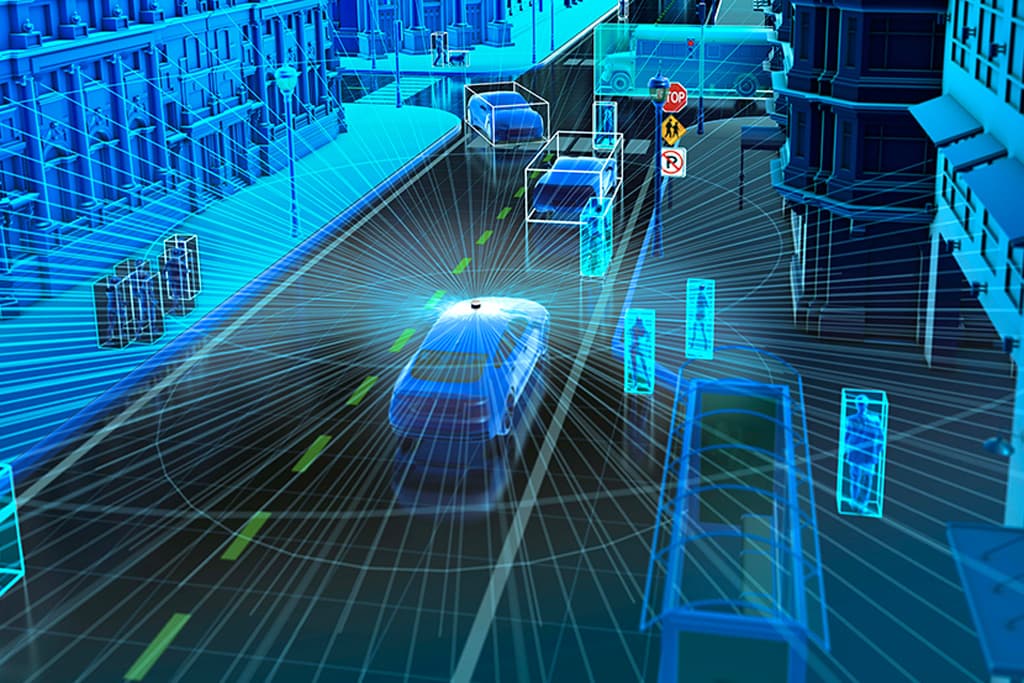
  • The Automotive ADAS Boom: The single greatest enabler for robotic vision is the car industry’s demand for cameras, radar, and LiDAR. As companies like Mobileye and NVIDIA push for higher volumes, the unit cost of these sensors plummets, creating a ready-made supply chain for robots.
  • Solid-State LiDAR: The move from mechanical, spinning LiDAR to solid-state (chip-based) versions is a game-changer for cost, size, and reliability. Companies like Ouster and Quanergy are driving this transition.
  • CMOS Image Sensor Proliferation: The smartphone industry has driven the cost of high-resolution, high-dynamic-range cameras to mere dollars. Roboticists can now leverage this incredible economy of scale.

Key Constraints:

  • Sensor Fusion Complexity: The cost is increasingly shifting from the hardware to the software required to fuse the data from cameras, LiDAR, and IMUs into a coherent 3D world model. This R&D cost is immense and must be amortized over unit sales.
  • Performance in Adverse Conditions: Sensors that work perfectly in a lab fail in real-world conditions: cameras are blinded by sun glare, LiDAR is foiled by heavy rain and fog. Making sensors robust enough for all-weather, all-lighting operation requires more sophisticated (and expensive) hardware and software.
  • The “Black Box” Problem: As perception is taken over by neural networks, it becomes harder to debug and certify. Ensuring functional safety for a vision system that can’t always explain why it saw an object is a major constraint that could necessitate redundant, costly sensor suites.

Synthesis: The Path to an Affordable BOM

The convergence of these three cost curves makes the $20,000 robot plausible, but only at immense scale. A hypothetical 2030 BOM could break down as follows:

  • Actuators (28 units @ $750): $21,000
  • Battery (3 kWh @ $100/kWh): $300
  • Sensors (Suite): $700
  • Compute (SoC, PCB): $1,000
  • Structure, Wiring, Cooling: $2,000
  • Assembly, Software Amortization, Margin: $5,000
  • Total BOM: ~$30,000

This shows that even with aggressive cost reduction, the actuators remain the towering challenge. Achieving the sub-$20,000 target will require a radical rethinking of actuation, likely through a breakthrough in material science or motor design that has yet to enter the market. The revolution will be built not by a single hero component, but by the synchronized, incremental improvement of all of them.


Tags: actuatorsBattery TechnologyCost ReductionRobotics Components
ShareTweetShare

Related Posts

Title: Major Stumble: What the Failure of a High-Profile Humanoid Startup Teaches the Industry
Industry Pulse

Title: Major Stumble: What the Failure of a High-Profile Humanoid Startup Teaches the Industry

December 15, 2025
Why Are Robotics Companies Waging an All-Out Talent War Against Big Tech and Academia?
Industry Pulse

Why Are Robotics Companies Waging an All-Out Talent War Against Big Tech and Academia?

December 15, 2025
Will the “Robotics as a Service” Model Become the Dominant Path for Humanoid Deployment?
Industry Pulse

Will the “Robotics as a Service” Model Become the Dominant Path for Humanoid Deployment?

December 14, 2025
The Demographics Solution: Can Humanoids Solve the Crisis of Aging Populations?
Future Scenarios

The Demographics Solution: Can Humanoids Solve the Crisis of Aging Populations?

December 14, 2025
Is Universal Basic Income the Inevitable Solution to Widescale Robotic Automation?
Future Scenarios

Is Universal Basic Income the Inevitable Solution to Widescale Robotic Automation?

December 13, 2025
Analysis: Why Did Hyundai Double Down on Boston Dynamics? A Strategic Look Beyond Spot and Atlas
Future Scenarios

Analysis: Why Did Hyundai Double Down on Boston Dynamics? A Strategic Look Beyond Spot and Atlas

December 12, 2025
Leave Comment
  • Trending
  • Comments
  • Latest
Will Humanoid Robots Become Legal Citizens by 2050? Exploring Rights, Responsibilities, and the Future of Robotic Personhood

Will Humanoid Robots Become Legal Citizens by 2050? Exploring Rights, Responsibilities, and the Future of Robotic Personhood

October 13, 2025
Will Humans and Robots Coexist Seamlessly in 2040’s Smart Cities? Exploring the Rise of Symbiotic Urban Ecosystems

Will Humans and Robots Coexist Seamlessly in 2040’s Smart Cities? Exploring the Rise of Symbiotic Urban Ecosystems

October 13, 2025
Analysis: Why Did Hyundai Double Down on Boston Dynamics? A Strategic Look Beyond Spot and Atlas

Analysis: Why Did Hyundai Double Down on Boston Dynamics? A Strategic Look Beyond Spot and Atlas

December 12, 2025
The End of the Frontline? Reimagining Military Strategy in an Era of Robot Soldiers

The End of the Frontline? Reimagining Military Strategy in an Era of Robot Soldiers

November 30, 2025
Will Humanoid Robots Become Legal Citizens by 2050? Exploring Rights, Responsibilities, and the Future of Robotic Personhood

Will Humanoid Robots Become Legal Citizens by 2050? Exploring Rights, Responsibilities, and the Future of Robotic Personhood

A World Where Robots Are Teachers: Educational Ecosystem with Humanoids

A World Where Robots Are Teachers: Educational Ecosystem with Humanoids

Can Humanoid Robots Redefine Disaster Response? Exploring the Future of Rescue Robotics in Extreme Environments

Can Humanoid Robots Redefine Disaster Response? Exploring the Future of Rescue Robotics in Extreme Environments

The Great Robot Economy: Humanoids as Workers in All Sectors

The Great Robot Economy: Humanoids as Workers in All Sectors

Title: Major Stumble: What the Failure of a High-Profile Humanoid Startup Teaches the Industry

Title: Major Stumble: What the Failure of a High-Profile Humanoid Startup Teaches the Industry

December 15, 2025
Why Are Robotics Companies Waging an All-Out Talent War Against Big Tech and Academia?

Why Are Robotics Companies Waging an All-Out Talent War Against Big Tech and Academia?

December 15, 2025
Will the “Robotics as a Service” Model Become the Dominant Path for Humanoid Deployment?

Will the “Robotics as a Service” Model Become the Dominant Path for Humanoid Deployment?

December 14, 2025
Why Are Humanoid Robots Becoming the Essential Workforce for Building Off-World Habitats?

Why Are Humanoid Robots Becoming the Essential Workforce for Building Off-World Habitats?

December 14, 2025
HumanoidInsight

We provide a clear lens on the rapidly evolving world of humanoid robots through news interpretation, trend observation, and data-driven reports. Join our community to stay authoritatively informed about the next wave of automation and intelligence.

© 2025 humanoidinsight.com. contacts:[email protected]

No Result
View All Result
  • Home
  • Spotlight
  • Future Scenarios
  • Industry Pulse
  • Insight Reports
  • Tech Frontiers

© 2025 humanoidinsight.com. contacts:[email protected]

Welcome Back!

Login to your account below

Forgotten Password?

Retrieve your password

Please enter your username or email address to reset your password.

Log In