










HumanoidInsight
  • Home
  • Spotlight
    Why Are Robotics Companies Waging an All-Out Talent War Against Big Tech and Academia?

    Why Are Robotics Companies Waging an All-Out Talent War Against Big Tech and Academia?

    Can Humanoid Robots Truly Be Artists, Musicians, or Chefs, or Is Creativity Uniquely Human?

    Can Humanoid Robots Truly Be Artists, Musicians, or Chefs, or Is Creativity Uniquely Human?

    The “Spinal Cord” Chip: Neuromorphic Processors for Low-Power, Reflex-Level Control

    The “Spinal Cord” Chip: Neuromorphic Processors for Low-Power, Reflex-Level Control

    Startup Spotlight: Apptronik – Betting on a General-Purpose Upper Body for Multiple Applications

    Startup Spotlight: Apptronik – Betting on a General-Purpose Upper Body for Multiple Applications

    How Is a Neuroscientist Using Brain Science to Transform Robot Motor Control and Enable Fluid, Adaptive Movements?

    How Is a Neuroscientist Using Brain Science to Transform Robot Motor Control and Enable Fluid, Adaptive Movements?

    Interview: Boston Dynamics’ CEO on the Commercialization of Atlas and the Future of Parkour

    Interview: Boston Dynamics’ CEO on the Commercialization of Atlas and the Future of Parkour

  • Future Scenarios
    Why Are Humanoid Robots Becoming the Essential Workforce for Building Off-World Habitats?

    Why Are Humanoid Robots Becoming the Essential Workforce for Building Off-World Habitats?

    The Demographics Solution: Can Humanoids Solve the Crisis of Aging Populations?

    The Demographics Solution: Can Humanoids Solve the Crisis of Aging Populations?

    Is Universal Basic Income the Inevitable Solution to Widescale Robotic Automation?

    Is Universal Basic Income the Inevitable Solution to Widescale Robotic Automation?

    Analysis: Why Did Hyundai Double Down on Boston Dynamics? A Strategic Look Beyond Spot and Atlas

    Analysis: Why Did Hyundai Double Down on Boston Dynamics? A Strategic Look Beyond Spot and Atlas

    The Psychological Uncanny Valley: How Lifelike Robots Could Trigger Social Anxiety and Identity Crises

    The Psychological Uncanny Valley: How Lifelike Robots Could Trigger Social Anxiety and Identity Crises

    Who Should Be Held Responsible When a Humanoid Robot Causes Harm?

    Who Should Be Held Responsible When a Humanoid Robot Causes Harm?

  • Industry Pulse
    Title: Major Stumble: What the Failure of a High-Profile Humanoid Startup Teaches the Industry

    Title: Major Stumble: What the Failure of a High-Profile Humanoid Startup Teaches the Industry

    Why Are Robotics Companies Waging an All-Out Talent War Against Big Tech and Academia?

    Why Are Robotics Companies Waging an All-Out Talent War Against Big Tech and Academia?

    Will the “Robotics as a Service” Model Become the Dominant Path for Humanoid Deployment?

    Will the “Robotics as a Service” Model Become the Dominant Path for Humanoid Deployment?

    The Demographics Solution: Can Humanoids Solve the Crisis of Aging Populations?

    The Demographics Solution: Can Humanoids Solve the Crisis of Aging Populations?

    Analysis: Why Did Hyundai Double Down on Boston Dynamics? A Strategic Look Beyond Spot and Atlas

    Analysis: Why Did Hyundai Double Down on Boston Dynamics? A Strategic Look Beyond Spot and Atlas

    Who Should Be Held Responsible When a Humanoid Robot Causes Harm?

    Who Should Be Held Responsible When a Humanoid Robot Causes Harm?

  • Insight Reports
    Title: Major Stumble: What the Failure of a High-Profile Humanoid Startup Teaches the Industry

    Title: Major Stumble: What the Failure of a High-Profile Humanoid Startup Teaches the Industry

    Will the “Robotics as a Service” Model Become the Dominant Path for Humanoid Deployment?

    Will the “Robotics as a Service” Model Become the Dominant Path for Humanoid Deployment?

    Is Universal Basic Income the Inevitable Solution to Widescale Robotic Automation?

    Is Universal Basic Income the Inevitable Solution to Widescale Robotic Automation?

    The Psychological Uncanny Valley: How Lifelike Robots Could Trigger Social Anxiety and Identity Crises

    The Psychological Uncanny Valley: How Lifelike Robots Could Trigger Social Anxiety and Identity Crises

    The Environmental Payback: Modeling the Carbon Footprint Reduction of a Robot-Led Workforce

    The Environmental Payback: Modeling the Carbon Footprint Reduction of a Robot-Led Workforce

    How Are Photorealistic Simulation and Domain Randomization Closing the Gap Between Virtual and Real-World Humanoid Robotics?

    How Are Photorealistic Simulation and Domain Randomization Closing the Gap Between Virtual and Real-World Humanoid Robotics?

  • Tech Frontiers
    Why Are Humanoid Robots Becoming the Essential Workforce for Building Off-World Habitats?

    Why Are Humanoid Robots Becoming the Essential Workforce for Building Off-World Habitats?

    The End of the Frontline? Reimagining Military Strategy in an Era of Robot Soldiers

    The End of the Frontline? Reimagining Military Strategy in an Era of Robot Soldiers

    How Are Photorealistic Simulation and Domain Randomization Closing the Gap Between Virtual and Real-World Humanoid Robotics?

    How Are Photorealistic Simulation and Domain Randomization Closing the Gap Between Virtual and Real-World Humanoid Robotics?

    The “Spinal Cord” Chip: Neuromorphic Processors for Low-Power, Reflex-Level Control

    The “Spinal Cord” Chip: Neuromorphic Processors for Low-Power, Reflex-Level Control

    Are Fuel Cells the Future of Untethered, All-Day Humanoid Robot Operation, or Will Batteries Remain King?

    Are Fuel Cells the Future of Untethered, All-Day Humanoid Robot Operation, or Will Batteries Remain King?

    Beyond Reinforcement Learning: The Rise of Large Behavior Models (LBMs) for Robot Training

    Beyond Reinforcement Learning: The Rise of Large Behavior Models (LBMs) for Robot Training

HumanoidInsight
  • Home
  • Spotlight
    Why Are Robotics Companies Waging an All-Out Talent War Against Big Tech and Academia?

    Why Are Robotics Companies Waging an All-Out Talent War Against Big Tech and Academia?

    Can Humanoid Robots Truly Be Artists, Musicians, or Chefs, or Is Creativity Uniquely Human?

    Can Humanoid Robots Truly Be Artists, Musicians, or Chefs, or Is Creativity Uniquely Human?

    The “Spinal Cord” Chip: Neuromorphic Processors for Low-Power, Reflex-Level Control

    The “Spinal Cord” Chip: Neuromorphic Processors for Low-Power, Reflex-Level Control

    Startup Spotlight: Apptronik – Betting on a General-Purpose Upper Body for Multiple Applications

    Startup Spotlight: Apptronik – Betting on a General-Purpose Upper Body for Multiple Applications

    How Is a Neuroscientist Using Brain Science to Transform Robot Motor Control and Enable Fluid, Adaptive Movements?

    How Is a Neuroscientist Using Brain Science to Transform Robot Motor Control and Enable Fluid, Adaptive Movements?

    Interview: Boston Dynamics’ CEO on the Commercialization of Atlas and the Future of Parkour

    Interview: Boston Dynamics’ CEO on the Commercialization of Atlas and the Future of Parkour

  • Future Scenarios
    Why Are Humanoid Robots Becoming the Essential Workforce for Building Off-World Habitats?

    Why Are Humanoid Robots Becoming the Essential Workforce for Building Off-World Habitats?

    The Demographics Solution: Can Humanoids Solve the Crisis of Aging Populations?

    The Demographics Solution: Can Humanoids Solve the Crisis of Aging Populations?

    Is Universal Basic Income the Inevitable Solution to Widescale Robotic Automation?

    Is Universal Basic Income the Inevitable Solution to Widescale Robotic Automation?

    Analysis: Why Did Hyundai Double Down on Boston Dynamics? A Strategic Look Beyond Spot and Atlas

    Analysis: Why Did Hyundai Double Down on Boston Dynamics? A Strategic Look Beyond Spot and Atlas

    The Psychological Uncanny Valley: How Lifelike Robots Could Trigger Social Anxiety and Identity Crises

    The Psychological Uncanny Valley: How Lifelike Robots Could Trigger Social Anxiety and Identity Crises

    Who Should Be Held Responsible When a Humanoid Robot Causes Harm?

    Who Should Be Held Responsible When a Humanoid Robot Causes Harm?

  • Industry Pulse
    Title: Major Stumble: What the Failure of a High-Profile Humanoid Startup Teaches the Industry

    Title: Major Stumble: What the Failure of a High-Profile Humanoid Startup Teaches the Industry

    Why Are Robotics Companies Waging an All-Out Talent War Against Big Tech and Academia?

    Why Are Robotics Companies Waging an All-Out Talent War Against Big Tech and Academia?

    Will the “Robotics as a Service” Model Become the Dominant Path for Humanoid Deployment?

    Will the “Robotics as a Service” Model Become the Dominant Path for Humanoid Deployment?

    The Demographics Solution: Can Humanoids Solve the Crisis of Aging Populations?

    The Demographics Solution: Can Humanoids Solve the Crisis of Aging Populations?

    Analysis: Why Did Hyundai Double Down on Boston Dynamics? A Strategic Look Beyond Spot and Atlas

    Analysis: Why Did Hyundai Double Down on Boston Dynamics? A Strategic Look Beyond Spot and Atlas

    Who Should Be Held Responsible When a Humanoid Robot Causes Harm?

    Who Should Be Held Responsible When a Humanoid Robot Causes Harm?

  • Insight Reports
    Title: Major Stumble: What the Failure of a High-Profile Humanoid Startup Teaches the Industry

    Title: Major Stumble: What the Failure of a High-Profile Humanoid Startup Teaches the Industry

    Will the “Robotics as a Service” Model Become the Dominant Path for Humanoid Deployment?

    Will the “Robotics as a Service” Model Become the Dominant Path for Humanoid Deployment?

    Is Universal Basic Income the Inevitable Solution to Widescale Robotic Automation?

    Is Universal Basic Income the Inevitable Solution to Widescale Robotic Automation?

    The Psychological Uncanny Valley: How Lifelike Robots Could Trigger Social Anxiety and Identity Crises

    The Psychological Uncanny Valley: How Lifelike Robots Could Trigger Social Anxiety and Identity Crises

    The Environmental Payback: Modeling the Carbon Footprint Reduction of a Robot-Led Workforce

    The Environmental Payback: Modeling the Carbon Footprint Reduction of a Robot-Led Workforce

    How Are Photorealistic Simulation and Domain Randomization Closing the Gap Between Virtual and Real-World Humanoid Robotics?

    How Are Photorealistic Simulation and Domain Randomization Closing the Gap Between Virtual and Real-World Humanoid Robotics?

  • Tech Frontiers
    Why Are Humanoid Robots Becoming the Essential Workforce for Building Off-World Habitats?

    Why Are Humanoid Robots Becoming the Essential Workforce for Building Off-World Habitats?

    The End of the Frontline? Reimagining Military Strategy in an Era of Robot Soldiers

    The End of the Frontline? Reimagining Military Strategy in an Era of Robot Soldiers

    How Are Photorealistic Simulation and Domain Randomization Closing the Gap Between Virtual and Real-World Humanoid Robotics?

    How Are Photorealistic Simulation and Domain Randomization Closing the Gap Between Virtual and Real-World Humanoid Robotics?

    The “Spinal Cord” Chip: Neuromorphic Processors for Low-Power, Reflex-Level Control

    The “Spinal Cord” Chip: Neuromorphic Processors for Low-Power, Reflex-Level Control

    Are Fuel Cells the Future of Untethered, All-Day Humanoid Robot Operation, or Will Batteries Remain King?

    Are Fuel Cells the Future of Untethered, All-Day Humanoid Robot Operation, or Will Batteries Remain King?

    Beyond Reinforcement Learning: The Rise of Large Behavior Models (LBMs) for Robot Training

    Beyond Reinforcement Learning: The Rise of Large Behavior Models (LBMs) for Robot Training

HumanoidInsight
No Result
View All Result
Home Insight Reports

How Are Photorealistic Simulation and Domain Randomization Closing the Gap Between Virtual and Real-World Humanoid Robotics?

November 30, 2025
in Insight Reports, Tech Frontiers
How Are Photorealistic Simulation and Domain Randomization Closing the Gap Between Virtual and Real-World Humanoid Robotics?

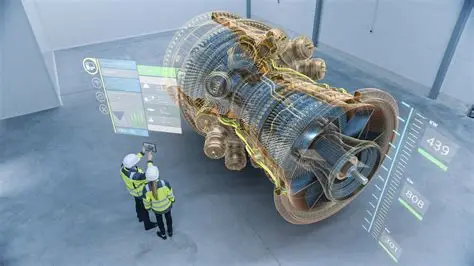
In the rapidly evolving field of humanoid robotics, one persistent challenge has been translating algorithms trained in virtual environments to real-world performance. Robots that excel in controlled simulations often falter when faced with unpredictable terrain, lighting, and environmental variability. This problem, known as the “reality gap,” has historically slowed the deployment of advanced robotics. However, the emergence of photorealistic simulation combined with domain randomization—collectively forming what some call “Sim-to-Real 2.0”—is radically reshaping how humanoids are trained and deployed. By creating virtual environments that are almost indistinguishable from reality and systematically varying simulation parameters, engineers are dramatically reducing the need for expensive and time-consuming real-world trials. This article explores the technology, techniques, and implications of this next-generation approach.


Introduction: The Promise of Next-Generation Simulation

Traditional simulation environments, while useful for testing basic locomotion or manipulation strategies, often fail to capture the subtle complexities of the real world. Variations in lighting, friction, textures, sensor noise, and unexpected obstacles can cause robots to fail when deployed outside the lab.

Sim-to-Real 2.0 addresses these limitations by combining:

  1. Photorealistic Rendering
    • High-fidelity visuals and physics engines mimic real-world appearance and dynamics, allowing AI models to experience realistic sensory input during training.
  2. Domain Randomization
    • Rather than perfect replication, simulations introduce systematic variations in parameters such as surface textures, lighting conditions, object positions, and friction coefficients.
    • This ensures that trained policies are robust and adaptable to real-world variations.

By training in such environments, humanoid robots can learn generalizable behaviors that perform reliably outside the simulation, reducing dependence on trial-and-error in physical spaces.


The Tech Stack: Platforms Powering Advanced Simulations

Several simulation platforms have emerged as leaders in photorealistic, physics-rich virtual training:

  1. NVIDIA Isaac Sim
    • Built on the Omniverse platform, Isaac Sim integrates real-time ray tracing and advanced physics.
    • Supports high-fidelity modeling of humanoid robots, sensors, and dynamic environments.
    • Enables multi-robot simulations, allowing teams of humanoids to learn coordinated behaviors.
  2. Unity
    • A flexible game engine widely used in robotics research for visual realism and rapid prototyping.
    • Unity’s ML-Agents toolkit allows for reinforcement learning in highly varied virtual scenarios.
    • Supports integration with robotic middleware and real-world hardware.
  3. Mujoco and PyBullet
    • Physics-first platforms focusing on dynamic fidelity and control optimization.
    • Often paired with photorealistic renderers to create hybrid visual and physical simulations.
  4. Custom Engines
    • Some organizations develop proprietary engines tailored to specific sensor suites, including LiDAR, stereo cameras, and tactile feedback systems.

These platforms collectively enable engineers to train complex humanoid behaviors—walking, climbing stairs, manipulating objects—entirely in simulation before ever stepping foot in a real-world environment.


Domain Randomization: Building Robustness Through Variation

Domain randomization is a critical technique in bridging the reality gap. Its core principle is deceptively simple: expose the robot to as many variations of the simulated world as possible, so it learns to generalize.

Key Strategies Include:

  1. Visual Randomization
    • Varying lighting, shadows, reflections, textures, and object colors to prevent overfitting to idealized visuals.
  2. Physical Randomization
    • Altering friction coefficients, object masses, and surface inclines to teach the robot to adapt to different dynamics.
  3. Sensor Noise Simulation
    • Adding realistic noise to cameras, IMUs, and force sensors, mimicking the imperfections found in real hardware.
  4. Environmental Variation
    • Random placement of obstacles, moving platforms, and uneven terrain ensures that trained policies remain robust across unpredictable scenarios.

By embracing randomness, robots trained in simulation are far less brittle when confronted with the variability of the real world, dramatically reducing deployment risk and retraining needs.


Quantifying the Reality Gap Reduction

Data from recent studies indicates that Sim-to-Real 2.0 has transformed training efficiency:

  • Reduction in Real-World Training Time
    • Some robotics teams report up to 70–80% fewer hours spent on real-world trial and error, relying instead on virtual testing.
  • Improved Policy Robustness
    • Robots trained with photorealistic simulations and domain randomization exhibit higher success rates in complex tasks, such as object manipulation, stair climbing, and obstacle navigation.
  • Accelerated Iteration Cycles
    • Rapid simulation allows for quick testing of algorithmic changes, parameter adjustments, and novel sensor integrations without risking hardware damage.

These outcomes indicate that simulation is no longer just a testing tool; it is becoming a primary method for skill acquisition in humanoid robotics.


Implications for Humanoid Development

The convergence of photorealism and domain randomization impacts robotics across multiple dimensions:

  1. Faster Deployment
    • Policies trained in virtual environments can be deployed in real-world applications with minimal fine-tuning.
  2. Cost Reduction
    • Reduces wear and tear on expensive robots and lowers the need for large-scale physical test setups.
  3. Improved Safety
    • Complex behaviors, including risky maneuvers or human interaction tasks, can be tested virtually before physical deployment.
  4. Enhanced AI Training
    • Reinforcement learning and imitation learning algorithms benefit from massive, accelerated training datasets generated entirely in simulation.
  5. Cross-Platform Applicability
    • Simulation-trained policies can transfer between robot models with similar kinematics, enabling more modular humanoid software development.

As a result, Sim-to-Real 2.0 is helping close the gap between research prototypes and production-ready humanoids.


Call to Action

For robotics engineers, researchers, and enthusiasts, understanding the tools and techniques of Sim-to-Real 2.0 is critical. Access our curated list of the top 5 simulation platforms for humanoid development, explore their capabilities, and begin training robots in photorealistic, randomized environments that bring virtual learning closer to reality than ever before.

Tags: domain randomizationhumanoid roboticsNVIDIA Isaac SimSim-to-Realsimulation
ShareTweetShare

Related Posts

Title: Major Stumble: What the Failure of a High-Profile Humanoid Startup Teaches the Industry
Industry Pulse

Title: Major Stumble: What the Failure of a High-Profile Humanoid Startup Teaches the Industry

December 15, 2025
Will the “Robotics as a Service” Model Become the Dominant Path for Humanoid Deployment?
Industry Pulse

Will the “Robotics as a Service” Model Become the Dominant Path for Humanoid Deployment?

December 14, 2025
Why Are Humanoid Robots Becoming the Essential Workforce for Building Off-World Habitats?
Future Scenarios

Why Are Humanoid Robots Becoming the Essential Workforce for Building Off-World Habitats?

December 14, 2025
Is Universal Basic Income the Inevitable Solution to Widescale Robotic Automation?
Future Scenarios

Is Universal Basic Income the Inevitable Solution to Widescale Robotic Automation?

December 13, 2025
The Psychological Uncanny Valley: How Lifelike Robots Could Trigger Social Anxiety and Identity Crises
Future Scenarios

The Psychological Uncanny Valley: How Lifelike Robots Could Trigger Social Anxiety and Identity Crises

December 12, 2025
The Environmental Payback: Modeling the Carbon Footprint Reduction of a Robot-Led Workforce
Future Scenarios

The Environmental Payback: Modeling the Carbon Footprint Reduction of a Robot-Led Workforce

November 30, 2025
Leave Comment
  • Trending
  • Comments
  • Latest
Will Humanoid Robots Become Legal Citizens by 2050? Exploring Rights, Responsibilities, and the Future of Robotic Personhood

Will Humanoid Robots Become Legal Citizens by 2050? Exploring Rights, Responsibilities, and the Future of Robotic Personhood

October 13, 2025
Will Humans and Robots Coexist Seamlessly in 2040’s Smart Cities? Exploring the Rise of Symbiotic Urban Ecosystems

Will Humans and Robots Coexist Seamlessly in 2040’s Smart Cities? Exploring the Rise of Symbiotic Urban Ecosystems

October 13, 2025
Analysis: Why Did Hyundai Double Down on Boston Dynamics? A Strategic Look Beyond Spot and Atlas

Analysis: Why Did Hyundai Double Down on Boston Dynamics? A Strategic Look Beyond Spot and Atlas

December 12, 2025
The End of the Frontline? Reimagining Military Strategy in an Era of Robot Soldiers

The End of the Frontline? Reimagining Military Strategy in an Era of Robot Soldiers

November 30, 2025
Will Humanoid Robots Become Legal Citizens by 2050? Exploring Rights, Responsibilities, and the Future of Robotic Personhood

Will Humanoid Robots Become Legal Citizens by 2050? Exploring Rights, Responsibilities, and the Future of Robotic Personhood

A World Where Robots Are Teachers: Educational Ecosystem with Humanoids

A World Where Robots Are Teachers: Educational Ecosystem with Humanoids

Can Humanoid Robots Redefine Disaster Response? Exploring the Future of Rescue Robotics in Extreme Environments

Can Humanoid Robots Redefine Disaster Response? Exploring the Future of Rescue Robotics in Extreme Environments

The Great Robot Economy: Humanoids as Workers in All Sectors

The Great Robot Economy: Humanoids as Workers in All Sectors

Title: Major Stumble: What the Failure of a High-Profile Humanoid Startup Teaches the Industry

Title: Major Stumble: What the Failure of a High-Profile Humanoid Startup Teaches the Industry

December 15, 2025
Why Are Robotics Companies Waging an All-Out Talent War Against Big Tech and Academia?

Why Are Robotics Companies Waging an All-Out Talent War Against Big Tech and Academia?

December 15, 2025
Will the “Robotics as a Service” Model Become the Dominant Path for Humanoid Deployment?

Will the “Robotics as a Service” Model Become the Dominant Path for Humanoid Deployment?

December 14, 2025
Why Are Humanoid Robots Becoming the Essential Workforce for Building Off-World Habitats?

Why Are Humanoid Robots Becoming the Essential Workforce for Building Off-World Habitats?

December 14, 2025
HumanoidInsight

We provide a clear lens on the rapidly evolving world of humanoid robots through news interpretation, trend observation, and data-driven reports. Join our community to stay authoritatively informed about the next wave of automation and intelligence.

© 2025 humanoidinsight.com. contacts:[email protected]

No Result
View All Result
  • Home
  • Spotlight
  • Future Scenarios
  • Industry Pulse
  • Insight Reports
  • Tech Frontiers

© 2025 humanoidinsight.com. contacts:[email protected]

Welcome Back!

Login to your account below

Forgotten Password?

Retrieve your password

Please enter your username or email address to reset your password.

Log In