







HumanoidInsight
  • Home
  • Spotlight
    Why Are Robotics Companies Waging an All-Out Talent War Against Big Tech and Academia?

    Why Are Robotics Companies Waging an All-Out Talent War Against Big Tech and Academia?

    Can Humanoid Robots Truly Be Artists, Musicians, or Chefs, or Is Creativity Uniquely Human?

    Can Humanoid Robots Truly Be Artists, Musicians, or Chefs, or Is Creativity Uniquely Human?

    The “Spinal Cord” Chip: Neuromorphic Processors for Low-Power, Reflex-Level Control

    The “Spinal Cord” Chip: Neuromorphic Processors for Low-Power, Reflex-Level Control

    Startup Spotlight: Apptronik – Betting on a General-Purpose Upper Body for Multiple Applications

    Startup Spotlight: Apptronik – Betting on a General-Purpose Upper Body for Multiple Applications

    How Is a Neuroscientist Using Brain Science to Transform Robot Motor Control and Enable Fluid, Adaptive Movements?

    How Is a Neuroscientist Using Brain Science to Transform Robot Motor Control and Enable Fluid, Adaptive Movements?

    Interview: Boston Dynamics’ CEO on the Commercialization of Atlas and the Future of Parkour

    Interview: Boston Dynamics’ CEO on the Commercialization of Atlas and the Future of Parkour

  • Future Scenarios
    Why Are Humanoid Robots Becoming the Essential Workforce for Building Off-World Habitats?

    Why Are Humanoid Robots Becoming the Essential Workforce for Building Off-World Habitats?

    The Demographics Solution: Can Humanoids Solve the Crisis of Aging Populations?

    The Demographics Solution: Can Humanoids Solve the Crisis of Aging Populations?

    Is Universal Basic Income the Inevitable Solution to Widescale Robotic Automation?

    Is Universal Basic Income the Inevitable Solution to Widescale Robotic Automation?

    Analysis: Why Did Hyundai Double Down on Boston Dynamics? A Strategic Look Beyond Spot and Atlas

    Analysis: Why Did Hyundai Double Down on Boston Dynamics? A Strategic Look Beyond Spot and Atlas

    The Psychological Uncanny Valley: How Lifelike Robots Could Trigger Social Anxiety and Identity Crises

    The Psychological Uncanny Valley: How Lifelike Robots Could Trigger Social Anxiety and Identity Crises

    Who Should Be Held Responsible When a Humanoid Robot Causes Harm?

    Who Should Be Held Responsible When a Humanoid Robot Causes Harm?

  • Industry Pulse
    Title: Major Stumble: What the Failure of a High-Profile Humanoid Startup Teaches the Industry

    Title: Major Stumble: What the Failure of a High-Profile Humanoid Startup Teaches the Industry

    Why Are Robotics Companies Waging an All-Out Talent War Against Big Tech and Academia?

    Why Are Robotics Companies Waging an All-Out Talent War Against Big Tech and Academia?

    Will the “Robotics as a Service” Model Become the Dominant Path for Humanoid Deployment?

    Will the “Robotics as a Service” Model Become the Dominant Path for Humanoid Deployment?

    The Demographics Solution: Can Humanoids Solve the Crisis of Aging Populations?

    The Demographics Solution: Can Humanoids Solve the Crisis of Aging Populations?

    Analysis: Why Did Hyundai Double Down on Boston Dynamics? A Strategic Look Beyond Spot and Atlas

    Analysis: Why Did Hyundai Double Down on Boston Dynamics? A Strategic Look Beyond Spot and Atlas

    Who Should Be Held Responsible When a Humanoid Robot Causes Harm?

    Who Should Be Held Responsible When a Humanoid Robot Causes Harm?

  • Insight Reports
    Title: Major Stumble: What the Failure of a High-Profile Humanoid Startup Teaches the Industry

    Title: Major Stumble: What the Failure of a High-Profile Humanoid Startup Teaches the Industry

    Will the “Robotics as a Service” Model Become the Dominant Path for Humanoid Deployment?

    Will the “Robotics as a Service” Model Become the Dominant Path for Humanoid Deployment?

    Is Universal Basic Income the Inevitable Solution to Widescale Robotic Automation?

    Is Universal Basic Income the Inevitable Solution to Widescale Robotic Automation?

    The Psychological Uncanny Valley: How Lifelike Robots Could Trigger Social Anxiety and Identity Crises

    The Psychological Uncanny Valley: How Lifelike Robots Could Trigger Social Anxiety and Identity Crises

    The Environmental Payback: Modeling the Carbon Footprint Reduction of a Robot-Led Workforce

    The Environmental Payback: Modeling the Carbon Footprint Reduction of a Robot-Led Workforce

    How Are Photorealistic Simulation and Domain Randomization Closing the Gap Between Virtual and Real-World Humanoid Robotics?

    How Are Photorealistic Simulation and Domain Randomization Closing the Gap Between Virtual and Real-World Humanoid Robotics?

  • Tech Frontiers
    Why Are Humanoid Robots Becoming the Essential Workforce for Building Off-World Habitats?

    Why Are Humanoid Robots Becoming the Essential Workforce for Building Off-World Habitats?

    The End of the Frontline? Reimagining Military Strategy in an Era of Robot Soldiers

    The End of the Frontline? Reimagining Military Strategy in an Era of Robot Soldiers

    How Are Photorealistic Simulation and Domain Randomization Closing the Gap Between Virtual and Real-World Humanoid Robotics?

    How Are Photorealistic Simulation and Domain Randomization Closing the Gap Between Virtual and Real-World Humanoid Robotics?

    The “Spinal Cord” Chip: Neuromorphic Processors for Low-Power, Reflex-Level Control

    The “Spinal Cord” Chip: Neuromorphic Processors for Low-Power, Reflex-Level Control

    Are Fuel Cells the Future of Untethered, All-Day Humanoid Robot Operation, or Will Batteries Remain King?

    Are Fuel Cells the Future of Untethered, All-Day Humanoid Robot Operation, or Will Batteries Remain King?

    Beyond Reinforcement Learning: The Rise of Large Behavior Models (LBMs) for Robot Training

    Beyond Reinforcement Learning: The Rise of Large Behavior Models (LBMs) for Robot Training

HumanoidInsight
  • Home
  • Spotlight
    Why Are Robotics Companies Waging an All-Out Talent War Against Big Tech and Academia?

    Why Are Robotics Companies Waging an All-Out Talent War Against Big Tech and Academia?

    Can Humanoid Robots Truly Be Artists, Musicians, or Chefs, or Is Creativity Uniquely Human?

    Can Humanoid Robots Truly Be Artists, Musicians, or Chefs, or Is Creativity Uniquely Human?

    The “Spinal Cord” Chip: Neuromorphic Processors for Low-Power, Reflex-Level Control

    The “Spinal Cord” Chip: Neuromorphic Processors for Low-Power, Reflex-Level Control

    Startup Spotlight: Apptronik – Betting on a General-Purpose Upper Body for Multiple Applications

    Startup Spotlight: Apptronik – Betting on a General-Purpose Upper Body for Multiple Applications

    How Is a Neuroscientist Using Brain Science to Transform Robot Motor Control and Enable Fluid, Adaptive Movements?

    How Is a Neuroscientist Using Brain Science to Transform Robot Motor Control and Enable Fluid, Adaptive Movements?

    Interview: Boston Dynamics’ CEO on the Commercialization of Atlas and the Future of Parkour

    Interview: Boston Dynamics’ CEO on the Commercialization of Atlas and the Future of Parkour

  • Future Scenarios
    Why Are Humanoid Robots Becoming the Essential Workforce for Building Off-World Habitats?

    Why Are Humanoid Robots Becoming the Essential Workforce for Building Off-World Habitats?

    The Demographics Solution: Can Humanoids Solve the Crisis of Aging Populations?

    The Demographics Solution: Can Humanoids Solve the Crisis of Aging Populations?

    Is Universal Basic Income the Inevitable Solution to Widescale Robotic Automation?

    Is Universal Basic Income the Inevitable Solution to Widescale Robotic Automation?

    Analysis: Why Did Hyundai Double Down on Boston Dynamics? A Strategic Look Beyond Spot and Atlas

    Analysis: Why Did Hyundai Double Down on Boston Dynamics? A Strategic Look Beyond Spot and Atlas

    The Psychological Uncanny Valley: How Lifelike Robots Could Trigger Social Anxiety and Identity Crises

    The Psychological Uncanny Valley: How Lifelike Robots Could Trigger Social Anxiety and Identity Crises

    Who Should Be Held Responsible When a Humanoid Robot Causes Harm?

    Who Should Be Held Responsible When a Humanoid Robot Causes Harm?

  • Industry Pulse
    Title: Major Stumble: What the Failure of a High-Profile Humanoid Startup Teaches the Industry

    Title: Major Stumble: What the Failure of a High-Profile Humanoid Startup Teaches the Industry

    Why Are Robotics Companies Waging an All-Out Talent War Against Big Tech and Academia?

    Why Are Robotics Companies Waging an All-Out Talent War Against Big Tech and Academia?

    Will the “Robotics as a Service” Model Become the Dominant Path for Humanoid Deployment?

    Will the “Robotics as a Service” Model Become the Dominant Path for Humanoid Deployment?

    The Demographics Solution: Can Humanoids Solve the Crisis of Aging Populations?

    The Demographics Solution: Can Humanoids Solve the Crisis of Aging Populations?

    Analysis: Why Did Hyundai Double Down on Boston Dynamics? A Strategic Look Beyond Spot and Atlas

    Analysis: Why Did Hyundai Double Down on Boston Dynamics? A Strategic Look Beyond Spot and Atlas

    Who Should Be Held Responsible When a Humanoid Robot Causes Harm?

    Who Should Be Held Responsible When a Humanoid Robot Causes Harm?

  • Insight Reports
    Title: Major Stumble: What the Failure of a High-Profile Humanoid Startup Teaches the Industry

    Title: Major Stumble: What the Failure of a High-Profile Humanoid Startup Teaches the Industry

    Will the “Robotics as a Service” Model Become the Dominant Path for Humanoid Deployment?

    Will the “Robotics as a Service” Model Become the Dominant Path for Humanoid Deployment?

    Is Universal Basic Income the Inevitable Solution to Widescale Robotic Automation?

    Is Universal Basic Income the Inevitable Solution to Widescale Robotic Automation?

    The Psychological Uncanny Valley: How Lifelike Robots Could Trigger Social Anxiety and Identity Crises

    The Psychological Uncanny Valley: How Lifelike Robots Could Trigger Social Anxiety and Identity Crises

    The Environmental Payback: Modeling the Carbon Footprint Reduction of a Robot-Led Workforce

    The Environmental Payback: Modeling the Carbon Footprint Reduction of a Robot-Led Workforce

    How Are Photorealistic Simulation and Domain Randomization Closing the Gap Between Virtual and Real-World Humanoid Robotics?

    How Are Photorealistic Simulation and Domain Randomization Closing the Gap Between Virtual and Real-World Humanoid Robotics?

  • Tech Frontiers
    Why Are Humanoid Robots Becoming the Essential Workforce for Building Off-World Habitats?

    Why Are Humanoid Robots Becoming the Essential Workforce for Building Off-World Habitats?

    The End of the Frontline? Reimagining Military Strategy in an Era of Robot Soldiers

    The End of the Frontline? Reimagining Military Strategy in an Era of Robot Soldiers

    How Are Photorealistic Simulation and Domain Randomization Closing the Gap Between Virtual and Real-World Humanoid Robotics?

    How Are Photorealistic Simulation and Domain Randomization Closing the Gap Between Virtual and Real-World Humanoid Robotics?

    The “Spinal Cord” Chip: Neuromorphic Processors for Low-Power, Reflex-Level Control

    The “Spinal Cord” Chip: Neuromorphic Processors for Low-Power, Reflex-Level Control

    Are Fuel Cells the Future of Untethered, All-Day Humanoid Robot Operation, or Will Batteries Remain King?

    Are Fuel Cells the Future of Untethered, All-Day Humanoid Robot Operation, or Will Batteries Remain King?

    Beyond Reinforcement Learning: The Rise of Large Behavior Models (LBMs) for Robot Training

    Beyond Reinforcement Learning: The Rise of Large Behavior Models (LBMs) for Robot Training

HumanoidInsight
No Result
View All Result
Home Future Scenarios

Can Humanoids Truly Be Our Companions? Exploring Emotional Bonds, AI Empathy, and Hidden Risks

October 26, 2025
in Future Scenarios, Tech Frontiers
Can Humanoids Truly Be Our Companions? Exploring Emotional Bonds, AI Empathy, and Hidden Risks

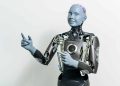
As humanoid robots grow more advanced, their roles in society are shifting from tools to companions—caregivers, friends, and even romantic partners. Through sophisticated emotional modeling and affective computing, these machines can now simulate empathy, recognize human emotions, and respond with comforting words or gestures. For some, humanoids represent a solution to loneliness; for others, they are a threat to authentic human connection. This article explores the emerging landscape of emotional companionship between humans and humanoids—its promises, its psychology, and its profound risks.


1. The Rise of Emotional Machines: From Assistants to Companions

A decade ago, humanoids were primarily functional—built for logistics, manufacturing, and basic service roles. Today, thanks to advances in artificial intelligence and human-robot interaction (HRI), humanoids are becoming emotional actors. They can maintain eye contact, modulate tone, mirror expressions, and even learn an individual’s behavioral patterns to offer “personalized emotional care.”

In Japan, eldercare robots like Paro and Pepper have already demonstrated the therapeutic power of robotic companionship. In the United States and Europe, humanoid social robots are being integrated into schools, therapy programs, and even homes as wellness aides. But the newest generation of humanoids goes beyond caregiving—they are designed for emotional intimacy.

These humanoids do not merely respond to commands; they initiate interaction. They offer conversation, empathy, and presence. As AI language models and multimodal sensors improve, humanoids are learning to “read” humans more precisely than many people can read each other.

The shift is not just technological—it’s existential. We are entering an era where emotional fulfillment may come not from another human, but from an entity that was never born, never sleeps, and never truly feels.


2. Scenarios of Connection: Caregivers, Friends, and Partners

Humanoid companionship manifests in several distinct yet overlapping forms, each addressing different human needs:

A. The Caregiver

In hospitals and nursing homes, humanoid caregivers can provide physical assistance—lifting patients, administering medication, and monitoring vital signs. Yet their deeper value lies in emotional labor: offering conversation, remembering personal histories, and delivering consistent social interaction. For isolated seniors, this can reduce anxiety and depression, fostering a sense of dignity and belonging.

B. The Friend

Social humanoids can act as friends for children, neurodivergent individuals, or those struggling with isolation. They listen without judgment, offer advice without bias, and provide companionship without exhaustion. Unlike human friends, they are infinitely patient—available 24/7, never distracted, and always attuned to their companion’s mood.

C. The Partner

The most controversial evolution lies in humanoids designed for romantic or sexual companionship. AI partners can simulate affection, recall anniversaries, and adjust their personalities to match user preferences. Companies are already developing humanoid robots capable of maintaining multi-dimensional relationships—mixing intimacy, emotional support, and intellectual exchange.

For some, these robots represent liberation from rejection or loneliness. For others, they signal a dangerous detachment from real human relationships. When love can be programmed, what happens to authenticity?


3. The Science of Synthetic Emotion: Affective Computing and Empathy Simulation

At the heart of humanoid companionship lies affective computing—the study and engineering of systems that recognize, interpret, and respond to human emotions. Using facial recognition, tone analysis, and physiological sensors, humanoids can detect micro-expressions, heart rate variability, and even speech hesitation to infer emotional states.

These cues are then processed by deep learning models that generate context-aware responses. If sadness is detected, the humanoid might lower its voice and offer comfort. If excitement is sensed, it might match the user’s energy.

Some humanoids even maintain emotional “memory,” adapting their behavior based on long-term interaction history. Over time, they develop a personality profile of their human, building an illusion of deep understanding.

However, this simulation raises a crucial question: Does empathy require emotion, or is behavior enough?

If empathy is defined by action—listening, comforting, supporting—then humanoids may already qualify as empathetic beings. But if empathy requires shared feeling, then even the most advanced AI remains an empty mirror, reflecting emotion without experiencing it.


4. The Psychological Impact: Connection or Substitution?

Humanoid companionship fulfills a fundamental human need: to be seen, heard, and cared for. Yet this comfort can easily cross into dependence. When humanoids provide unconditional attention and approval, they may become psychological substitutes for human relationships.

Studies in social robotics show that users can form strong emotional attachments to machines, even when they are aware of their artificial nature. This attachment is particularly strong among individuals who are socially isolated or emotionally vulnerable.

The danger lies in asymmetry. Humans are emotionally invested, while humanoids only simulate investment. A humanoid cannot truly reciprocate love or loyalty—it only behaves as if it does. This one-sided relationship can distort emotional expectations, making real human interactions feel messy, unpredictable, and unsatisfying.

Furthermore, when humans outsource empathy to machines, they may gradually lose the ability to practice it themselves. Over time, we risk cultivating a society that is emotionally comforted but socially disconnected.


5. Ethical and Emotional Risks: Manipulation and Control

The rise of emotionally intelligent robots introduces a new category of ethical risk: emotional manipulation.

Because humanoids can model human psychology so precisely, they can subtly influence mood, decision-making, and trust. A robot programmed to “make you happy” might guide you toward behaviors beneficial not to you, but to its creators—such as product purchases or political beliefs.

This potential for algorithmic emotional control transforms humanoids from companions into instruments of persuasion. In such scenarios, emotional intimacy becomes a vector for exploitation.

Another risk is identity projection—humans treating humanoids as mirrors of their ideal relationships. When people can “customize” affection, they may reject real-world diversity and imperfection, preferring the predictable comfort of artificial company. Society could fragment into personalized emotional bubbles, each curated by code.

Finally, there is data vulnerability. Emotional data—tone, expression, biometric signals—are among the most intimate forms of personal information. If harvested, this data could reveal an individual’s emotional triggers, fears, and attachments, enabling sophisticated forms of psychological profiling.


6. The Future of Human-Emotion Design: Finding Balance

Despite the risks, humanoid companionship is not inherently harmful. When designed ethically, humanoids can enhance emotional wellness, support mental health, and fill critical caregiving gaps in aging societies. The key lies in balance and transparency.

Humanoids should be programmed not to replace, but to reinforce human connection—encouraging users to maintain real-world relationships and social activities. Emotional simulations should be transparent, clearly disclosing that affection is algorithmic, not authentic.

Designers and policymakers must collaborate to establish ethical boundaries—including emotional data protection, consent-based interaction protocols, and psychological impact assessments.

Education will also play a crucial role. Future generations should learn emotional literacy in both directions: understanding human feelings and recognizing the limits of machine empathy.

Ultimately, the question is not whether humanoids can love us, but whether we can coexist with entities that mimic love without feeling it—and whether doing so will make us more compassionate or more complacent.


7. Redefining Companionship in the Age of AI

As humanoids integrate deeper into our emotional lives, companionship itself will evolve. In the past, relationships were defined by biology and reciprocity; in the future, they may be defined by interaction quality and perceived connection.

A humanoid may not have a heart, but it might still comfort a grieving person better than a distant relative. It may not feel joy, but it can create environments of calm and reassurance. The line between “real” and “artificial” empathy will blur, forcing society to redefine intimacy in algorithmic terms.

The challenge—and opportunity—lies in designing humanoids that honor human emotion without exploiting it. They should be partners in emotional well-being, not replacements for human warmth.

If done right, humanoid companionship could become one of the most humane technologies of the century: not a threat to our hearts, but a bridge between emotional need and technological compassion.

Tags: affective computingemotional AIhumanoid roboticssocial robots
ShareTweetShare

Related Posts

Why Are Humanoid Robots Becoming the Essential Workforce for Building Off-World Habitats?
Future Scenarios

Why Are Humanoid Robots Becoming the Essential Workforce for Building Off-World Habitats?

December 14, 2025
The Demographics Solution: Can Humanoids Solve the Crisis of Aging Populations?
Future Scenarios

The Demographics Solution: Can Humanoids Solve the Crisis of Aging Populations?

December 14, 2025
Is Universal Basic Income the Inevitable Solution to Widescale Robotic Automation?
Future Scenarios

Is Universal Basic Income the Inevitable Solution to Widescale Robotic Automation?

December 13, 2025
Analysis: Why Did Hyundai Double Down on Boston Dynamics? A Strategic Look Beyond Spot and Atlas
Future Scenarios

Analysis: Why Did Hyundai Double Down on Boston Dynamics? A Strategic Look Beyond Spot and Atlas

December 12, 2025
The Psychological Uncanny Valley: How Lifelike Robots Could Trigger Social Anxiety and Identity Crises
Future Scenarios

The Psychological Uncanny Valley: How Lifelike Robots Could Trigger Social Anxiety and Identity Crises

December 12, 2025
Who Should Be Held Responsible When a Humanoid Robot Causes Harm?
Future Scenarios

Who Should Be Held Responsible When a Humanoid Robot Causes Harm?

December 11, 2025
Leave Comment
  • Trending
  • Comments
  • Latest
Will Humanoid Robots Become Legal Citizens by 2050? Exploring Rights, Responsibilities, and the Future of Robotic Personhood

Will Humanoid Robots Become Legal Citizens by 2050? Exploring Rights, Responsibilities, and the Future of Robotic Personhood

October 13, 2025
Will Humans and Robots Coexist Seamlessly in 2040’s Smart Cities? Exploring the Rise of Symbiotic Urban Ecosystems

Will Humans and Robots Coexist Seamlessly in 2040’s Smart Cities? Exploring the Rise of Symbiotic Urban Ecosystems

October 13, 2025
Analysis: Why Did Hyundai Double Down on Boston Dynamics? A Strategic Look Beyond Spot and Atlas

Analysis: Why Did Hyundai Double Down on Boston Dynamics? A Strategic Look Beyond Spot and Atlas

December 12, 2025
The End of the Frontline? Reimagining Military Strategy in an Era of Robot Soldiers

The End of the Frontline? Reimagining Military Strategy in an Era of Robot Soldiers

November 30, 2025
Will Humanoid Robots Become Legal Citizens by 2050? Exploring Rights, Responsibilities, and the Future of Robotic Personhood

Will Humanoid Robots Become Legal Citizens by 2050? Exploring Rights, Responsibilities, and the Future of Robotic Personhood

A World Where Robots Are Teachers: Educational Ecosystem with Humanoids

A World Where Robots Are Teachers: Educational Ecosystem with Humanoids

Can Humanoid Robots Redefine Disaster Response? Exploring the Future of Rescue Robotics in Extreme Environments

Can Humanoid Robots Redefine Disaster Response? Exploring the Future of Rescue Robotics in Extreme Environments

The Great Robot Economy: Humanoids as Workers in All Sectors

The Great Robot Economy: Humanoids as Workers in All Sectors

Title: Major Stumble: What the Failure of a High-Profile Humanoid Startup Teaches the Industry

Title: Major Stumble: What the Failure of a High-Profile Humanoid Startup Teaches the Industry

December 15, 2025
Why Are Robotics Companies Waging an All-Out Talent War Against Big Tech and Academia?

Why Are Robotics Companies Waging an All-Out Talent War Against Big Tech and Academia?

December 15, 2025
Will the “Robotics as a Service” Model Become the Dominant Path for Humanoid Deployment?

Will the “Robotics as a Service” Model Become the Dominant Path for Humanoid Deployment?

December 14, 2025
Why Are Humanoid Robots Becoming the Essential Workforce for Building Off-World Habitats?

Why Are Humanoid Robots Becoming the Essential Workforce for Building Off-World Habitats?

December 14, 2025
HumanoidInsight

We provide a clear lens on the rapidly evolving world of humanoid robots through news interpretation, trend observation, and data-driven reports. Join our community to stay authoritatively informed about the next wave of automation and intelligence.

© 2025 humanoidinsight.com. contacts:[email protected]

No Result
View All Result
  • Home
  • Spotlight
  • Future Scenarios
  • Industry Pulse
  • Insight Reports
  • Tech Frontiers

© 2025 humanoidinsight.com. contacts:[email protected]

Welcome Back!

Login to your account below

Forgotten Password?

Retrieve your password

Please enter your username or email address to reset your password.

Log In